 OIBAI
Blog
Practical guides for paraeducators: behavior support, IEPs, data collection and classroom strategies.
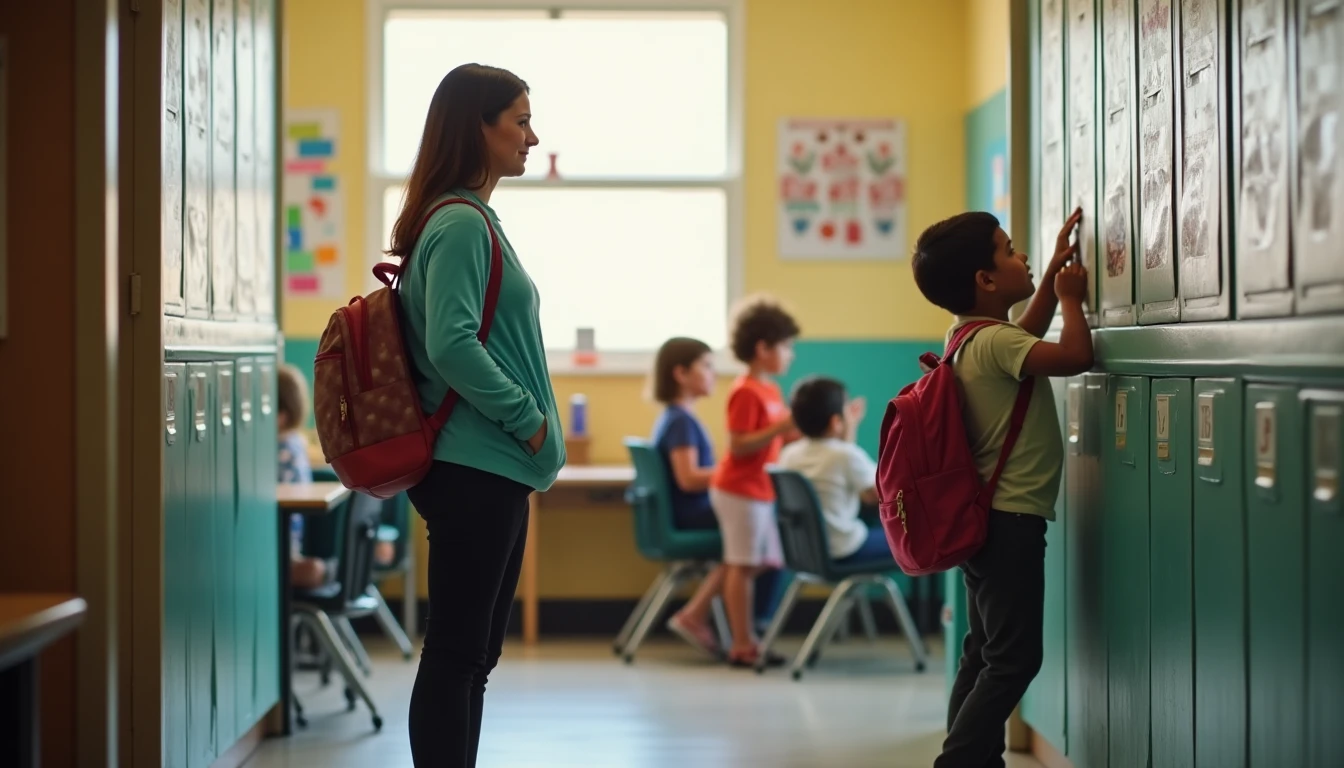
What Is the Prompting Hierarchy Least to Most?
What least-to-most prompting means in special education, why spoken help is harder to fade than it looks, and what the method asks of a new paraeducator.
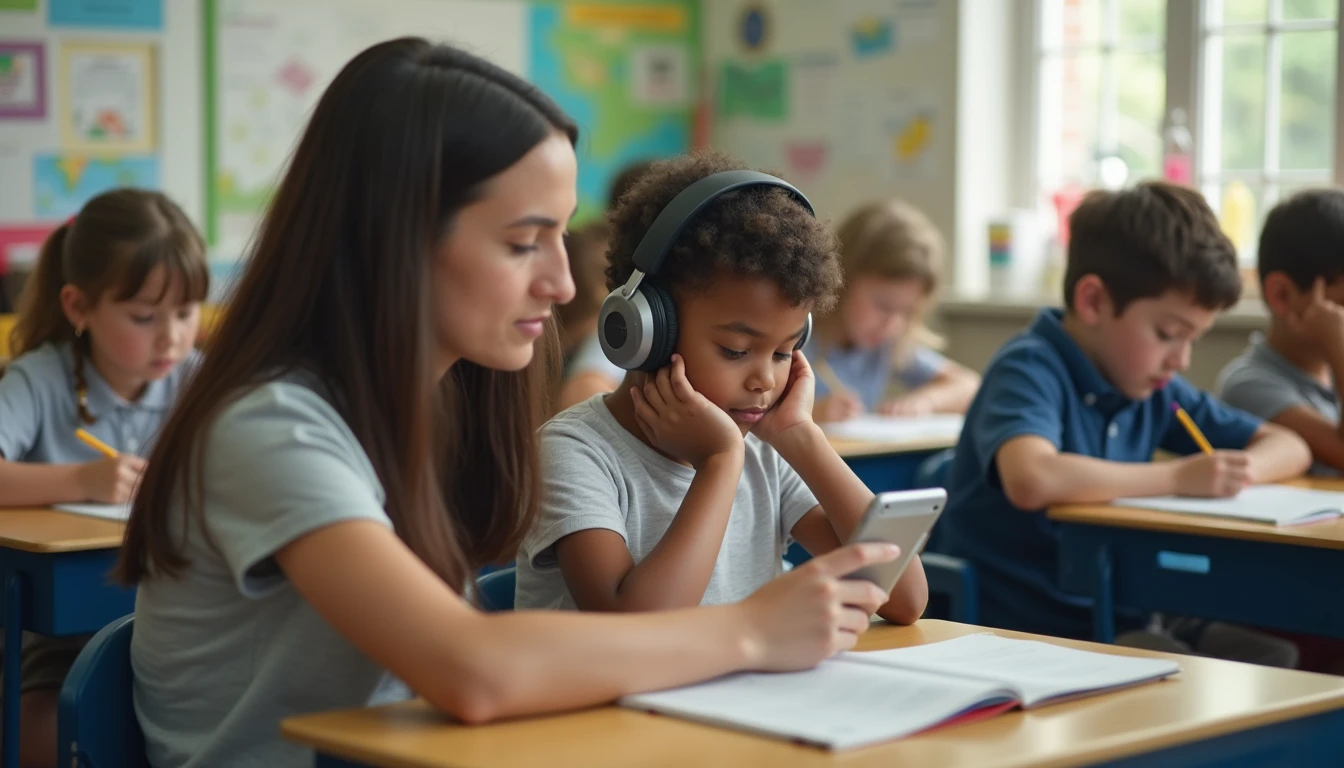
Accommodations for Students with Dyslexia: What to Ask the School
Learn which accommodations for students with dyslexia are common, how a paraeducator helps provide them, and which questions to ask your child's school team.

What Should Paraprofessionals Not Do? A Guide for New Paras
What should paraprofessionals not do? Learn the key limits of the para role, what the job looks like each day, and how to start your paraeducator career.

What Is ABC Data Collection?
ABC data collection tracks what happens before, during, and after a behavior. Learn what the letters mean, see examples, and why it matters at school.

6 Visual Schedule Autism Myths and the Facts Behind Them
Visual schedules help many autistic students, but myths get in the way. Learn 6 common myths, the facts, and how paraeducators can support the teacher's plan.
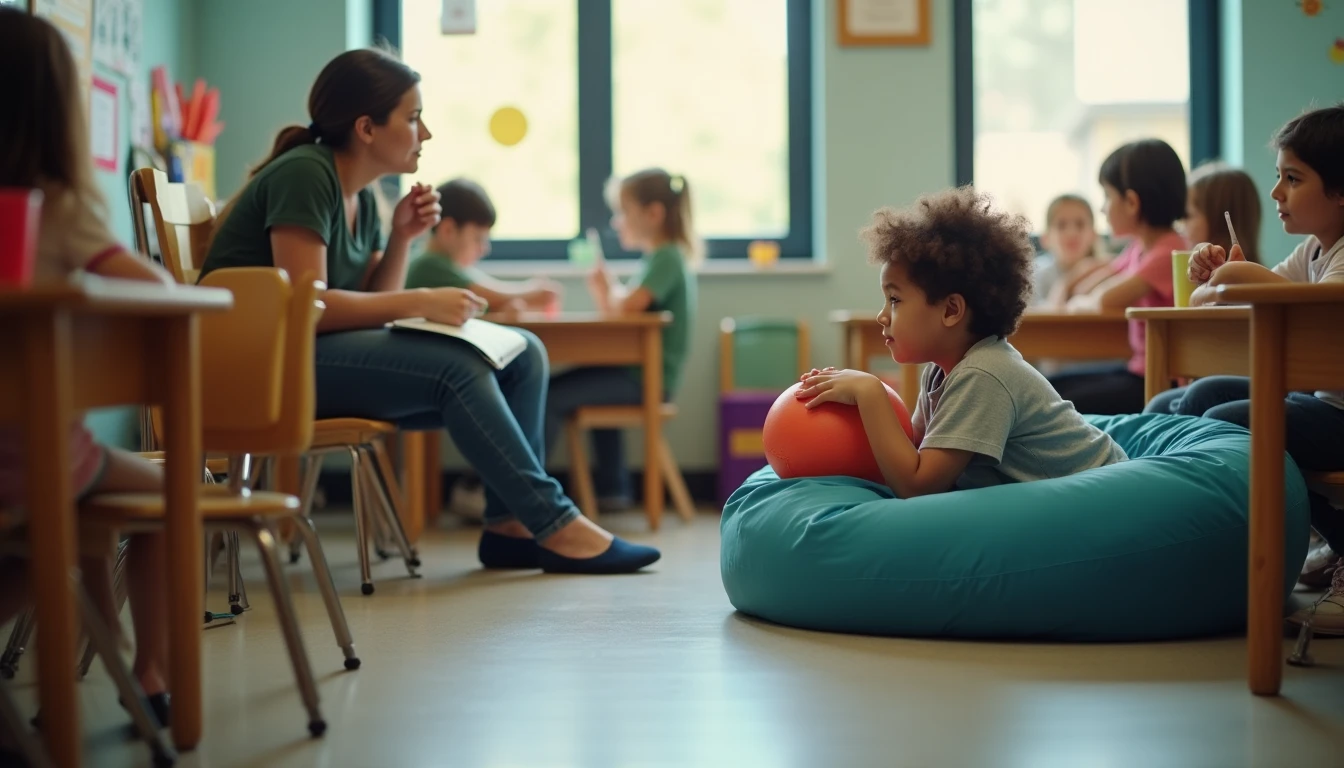
Sensory Breaks Examples: What Does a Sensory Break Look Like?
See sensory breaks examples, from wall pushes to quiet corners, and learn why sensory breaks in the classroom help kids stay calm and ready to learn.
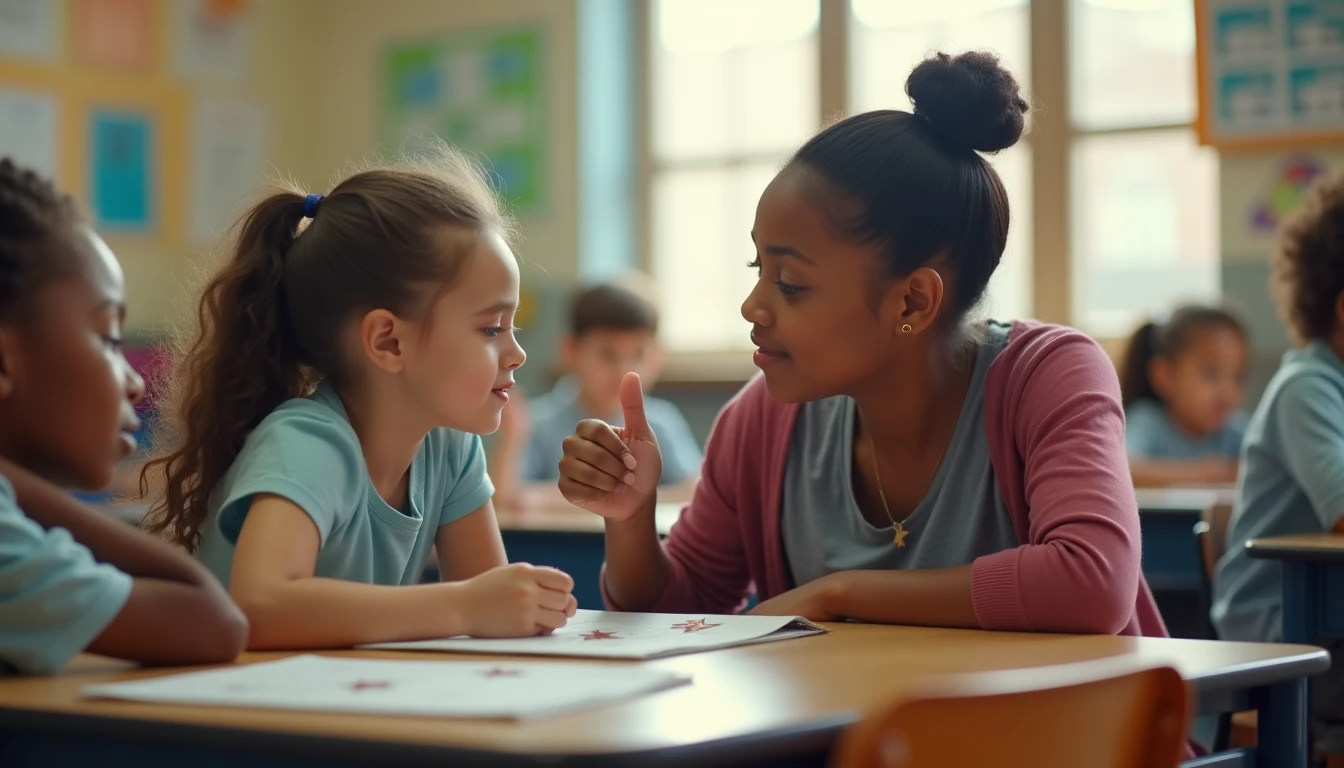
Positive Reinforcement vs Negative Reinforcement: A Para's Guide
Learn positive reinforcement vs negative reinforcement, with clear examples, phrases you can use, and steps that fit the teacher's plan and the student's BIP.

AI Tools for Special Education Teachers: A Paraeducator's Guide
Learn how paraeducators can use AI tools for special education teachers to draft task analyses, visuals, and data sheets that fit the IEP and teacher's plan.